Best Practices for Drone Filming Techniques
- Mr A Hammersley
- 5 hours ago
- 3 min read

Drones have revolutionized the way we capture video and photography, offering unique perspectives that were once reserved for helicopters or expensive equipment. Whether you're a hobbyist or a professional filmmaker, mastering drone filming techniques can elevate your work to new heights. In this post, we’ll explore the best practices for drone filming, ensuring you get the most out of your aerial shots.
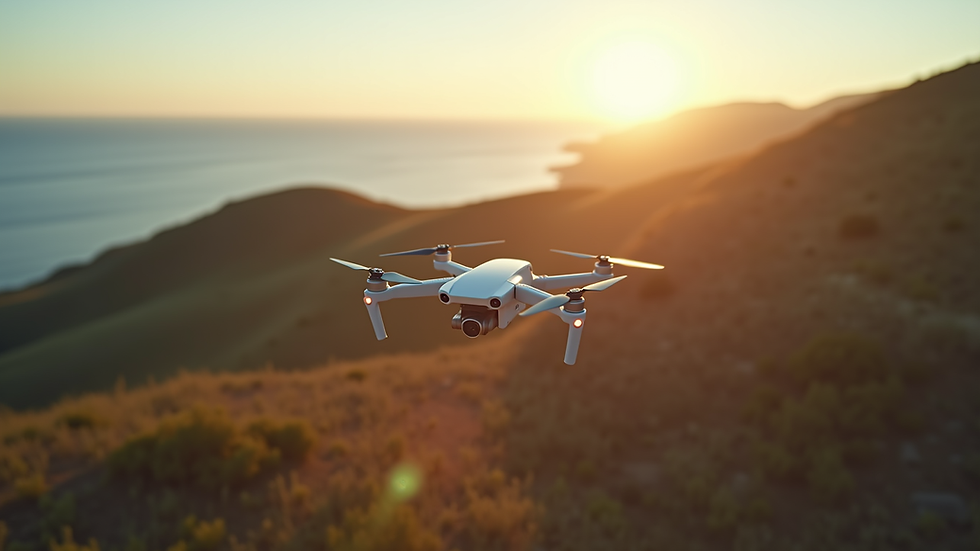
Understanding Your Drone
Before you start filming, it's crucial to understand the capabilities and limitations of your drone. Different models come with varying features, such as camera quality, flight time, and range. Here are some key aspects to consider:
Camera Quality
Resolution: Look for drones that offer at least 1080p resolution. For professional work, 4K is ideal.
Stabilization: Gimbals help stabilize the camera, reducing shaky footage. Ensure your drone has a good stabilization system.
Flight Time
Most consumer drones have a flight time of 20 to 30 minutes. Always plan your shoots accordingly and consider bringing extra batteries for longer sessions.
Range and Control
Understand the range of your drone. Some models can fly several kilometers away, while others have a limited range. Familiarize yourself with the controls to ensure smooth operation.
Pre-Flight Planning
Preparation is key to successful drone filming. Here are some steps to take before you launch:
Research Your Location
Weather Conditions: Check the weather forecast. Windy or rainy conditions can affect flight stability and safety.
Legal Restrictions: Familiarize yourself with local regulations regarding drone usage. Some areas may have no-fly zones.
Create a Shot List
Plan your shots in advance. A shot list helps you stay organized and ensures you capture all the necessary footage. Consider the following types of shots:
Establishing Shots: Wide shots that set the scene.
Close-Ups: Detailed shots that highlight specific features.
Tracking Shots: Following a subject or moving through a landscape.
Filming Techniques
Once you're ready to fly, it's time to focus on your filming techniques. Here are some best practices to keep in mind:
Use Smooth Movements
Jerky movements can ruin your footage. Practice smooth, controlled movements when flying your drone. Here are some techniques to achieve this:
Yawing: Rotate the drone slowly to capture panoramic views.
Pitching: Tilt the camera up or down gradually to reveal landscapes.
Panning: Move the drone horizontally to follow a subject or landscape.
Experiment with Angles
Different angles can dramatically change the feel of your footage. Here are some angles to try:
High Angle: Provides a bird's-eye view of the landscape.
Low Angle: Captures the subject from below, making it appear larger than life.
Eye Level: Offers a natural perspective, ideal for storytelling.
Utilize Natural Light
Lighting can make or break your footage. Here are some tips for using natural light effectively:
Golden Hour: Shoot during sunrise or sunset for soft, warm lighting.
Avoid Harsh Midday Sun: Bright sunlight can create harsh shadows. If you must shoot during this time, consider using filters to reduce glare.
Post-Production Tips
After capturing your footage, the next step is editing. Here are some tips to enhance your drone videos:
Color Grading
Adjusting the colors in your footage can create a more cinematic look. Use software like Adobe Premiere Pro or DaVinci Resolve to enhance colors and contrast.
Stabilization
Even with a gimbal, some footage may still be shaky. Use stabilization tools in your editing software to smooth out any rough spots.
Sound Design
Don’t forget about audio. Adding background music or sound effects can enhance the overall experience of your video. Make sure to choose royalty-free music to avoid copyright issues.
Safety Considerations
Safety should always be a priority when flying drones. Here are some essential safety tips:
Maintain Line of Sight
Always keep your drone within your line of sight. This helps you avoid obstacles and ensures you can react quickly if something goes wrong.
Avoid Crowds
Flying over people can be dangerous and is often illegal. Choose locations that are open and free of crowds to minimize risks.
Respect Wildlife
If filming in natural areas, be mindful of wildlife. Avoid disturbing animals, especially during nesting seasons.
Conclusion
Mastering drone filming techniques can significantly enhance your video production quality. By understanding your equipment, planning your shots, and practicing safe flying, you can create stunning aerial footage that captivates your audience. Remember to keep experimenting with different techniques and angles to find your unique style. Now, grab your drone and start capturing breathtaking views!


Comments